
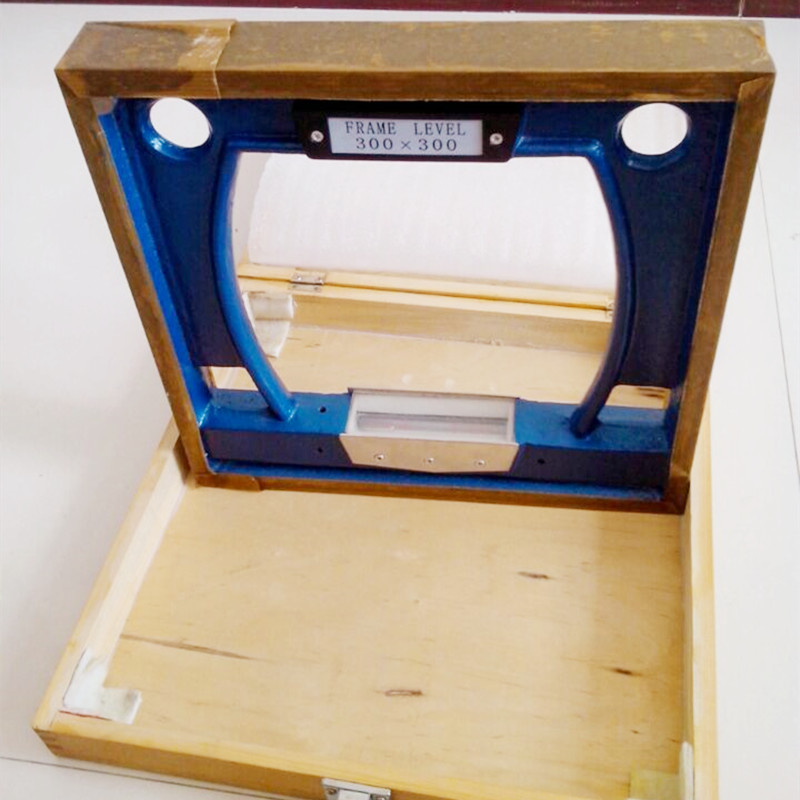
reflective glass supplier
Understanding the Pricing of 150mm Gate Valves Gate valves are crucial components in various industrial systems, serving as on/off switches for fluid flow. Primarily used in water supply, wastewater management, and other fluid transport applications, gate valves are favored for their ability to provide a straight-line flow with minimal obstruction. Among the different sizes, the 150mm (6-inch) gate valve stands out as a popular choice due to its balance between size, flow capacity, and functionality. This article will explore the factors influencing the price of 150mm gate valves and provide insights for potential buyers. Why Choose a 150mm Gate Valve? The 150mm gate valve is commonly used in applications requiring substantial flow control. Its size allows for efficient flow rates, making it ideal for pipelines in municipal water systems, irrigation projects, and industrial applications where large volumes of fluids need to be managed. Unlike other valve types, gate valves are designed to be fully open or fully closed, minimizing resistance to flow in the fully opened position. This design not only contributes to reduced energy costs but also enhances the overall efficiency of the system. Factors Influencing the Price 1. Material of Construction The price of a 150mm gate valve is heavily influenced by the materials used in its construction. Common materials include cast iron, ductile iron, stainless steel, and bronze. For example, cast iron valves are generally more affordable but may not be suitable for highly corrosive environments, where stainless steel valves become necessary. Consequently, the material choice significantly impacts pricing. 2. Valves Design and Standards Gate valves can come in various designs—rising stem, non-rising stem, and different sealing methods, such as soft-seated or metal-seated designs. Valves manufactured according to specific industry standards (like API, ASME, or AWWA) may also command higher prices due to the additional rigor in quality assurance and testing. 3. Manufacturer Reputation The reputation of the valve manufacturer plays a significant role in pricing. Established brands known for reliability and performance may charge a premium, while less well-known manufacturers might offer competitive prices. Investing in a reputable manufacturer can lead to better performance, longevity, and support, which may justify a higher initial cost. 150mm gate valve price 4. Operating Pressure and Accessories The maximum operating pressure that a gate valve can handle will also influence its cost. Valves designed for higher pressure systems often incorporate more robust materials and engineering, raising the price. Additionally, features such as gear operators, electric actuators, or other automation technologies can further increase costs. 5. Market Conditions and Geographic Location Prices can vary depending on market demand and supply conditions, which may fluctuate based on economic factors, availability of raw materials, and overall market trends. Geographic location can also affect pricing due to transportation costs and regional demands. 6. Customizations and Special Features If specific customizations are needed—such as unique sizes, coatings, or material combinations—these can contribute to higher costs. Custom designs often require additional engineering and testing, which are reflected in the final price. Average Pricing While the price of a 150mm gate valve can vary significantly, a general range can be expected. Basic models made from cast iron or ductile iron typically start at around $200 to $400. Mid-range options featuring better materials and additional features can reach prices between $500 and $800. Premium brands or specialized designs may exceed $1000. Conclusion When considering the purchase of a 150mm gate valve, understanding the various factors influencing its price is essential. Buyers should evaluate their specific needs, such as material requirements, pressure ratings, and environmental conditions. While it can be tempting to go for the lowest-priced option, investing in a quality valve from a reputable manufacturer could lead to long-term savings by minimizing maintenance costs and ensuring reliability. By carefully analyzing the available options, purchasers can make informed decisions that align with their project requirements and budget constraints.
about
reflective glass supplier
Understanding Gate Valves A Focus on Gate Valve 16 Gate valves are crucial components in various industrial applications, serving as a mechanism to start or stop the flow of fluids through a pipe. Among the numerous types of gate valves available, Gate Valve 16 has gained attention for its reliability and efficiency. This article explores the characteristics, applications, advantages, and maintenance of Gate Valve 16, offering insights into why it is favored in many scenarios. What is a Gate Valve? A gate valve is a linear valve that opens by lifting a barrier (the gate) out of the path of the fluid. The main function of a gate valve is to provide a straight-line flow of fluid with minimum restriction. Compared to other types of valves, such as ball valves or globe valves, gate valves are more suited for use in applications where the flow needs to be either completely on or completely off. Features of Gate Valve 16 Gate Valve 16 stands out due to several key features that enhance its performance - Design and Construction Typically made from durable materials like stainless steel, cast iron, or bronze, Gate Valve 16 is designed to withstand high pressures and temperatures. Its robust construction ensures longevity and reliability in demanding environments. - Size and Configuration Gate Valve 16 comes in various sizes, making it versatile for different applications. Whether it’s a small residential plumbing system or a large-scale industrial pipeline, there’s a suitable Gate Valve 16 configuration. - Sealing Mechanism The sealing mechanism of Gate Valve 16 is engineered to provide a tight seal when the valve is closed. This feature prevents leakage, which is crucial for maintaining the integrity of fluid systems. Applications of Gate Valve 16 Gate Valve 16 is utilized in diverse fields, including - Oil and Gas Industry In oil and gas pipelines, Gate Valve 16 is employed to control the flow of crude oil and natural gas, where it is pivotal in managing flow rates and pressures during processing and transportation. gate valve 16 - Water Supply Systems Municipal water supply systems rely on Gate Valve 16 to regulate the flow of water through pipelines, ensuring the system operates efficiently and safely. - Chemical Processing The chemical industry uses Gate Valve 16 for controlling the flow of corrosive and hazardous fluids, benefitting from its ability to maintain pressure and prevent leaks. - Power Generation In power plants, Gate Valve 16 is integral to steam and water systems. It helps in providing efficient flow control to ensure optimal operation of turbines and boilers. Advantages of Gate Valve 16 The popularity of Gate Valve 16 is attributable to several advantages - Minimal Pressure Drop One of the most significant benefits of Gate Valve 16 is its ability to offer low pressure drop across the valve when fully open. This characteristic is essential for systems requiring high flow rates. - Straight-Through Flow Gate valves provide a straight path for fluid, minimizing turbulence and making them suitable for applications where a smooth flow is needed. - Durability With proper maintenance, Gate Valve 16 can have a long service life, which reduces the need for frequent replacements and lowers long-term operational costs. Maintenance of Gate Valve 16 Proper maintenance is critical to ensure the effective functioning of Gate Valve 16. Regular inspections for signs of wear, corrosion, or leakage are advisable. The valve should be operated periodically to ensure that the gate does not seize in the closed position. Lubrication of moving parts and checking for any buildup of debris can also prolong the valve’s life. Conclusion In summary, Gate Valve 16 plays a significant role in a variety of industries by offering efficient flow control, durability, and minimal pressure loss. Its design and functionality make it an essential component of fluid systems, whether for managing water supply, oil and gas transport, or chemical processing. Understanding its features, applications, and maintenance needs can assist engineers and technicians in selecting the right valve for their systems and ensuring that they operate efficiently and reliably over time. As technology advances, Gate Valve 16 will continue to be a relevant choice in the ever-evolving landscape of industrial fluid management.
-

High quality industrial productsagement

High quality industrial products
View Details -

Meet the diverse needs of customers

Meet the diverse needs of customers
View Details -

Strict quality control

Strict quality control
View Details -

Top raw materials

Top raw materials
View Details -

Trusted supplier

Trusted supplier
View Details
Our application

news and information

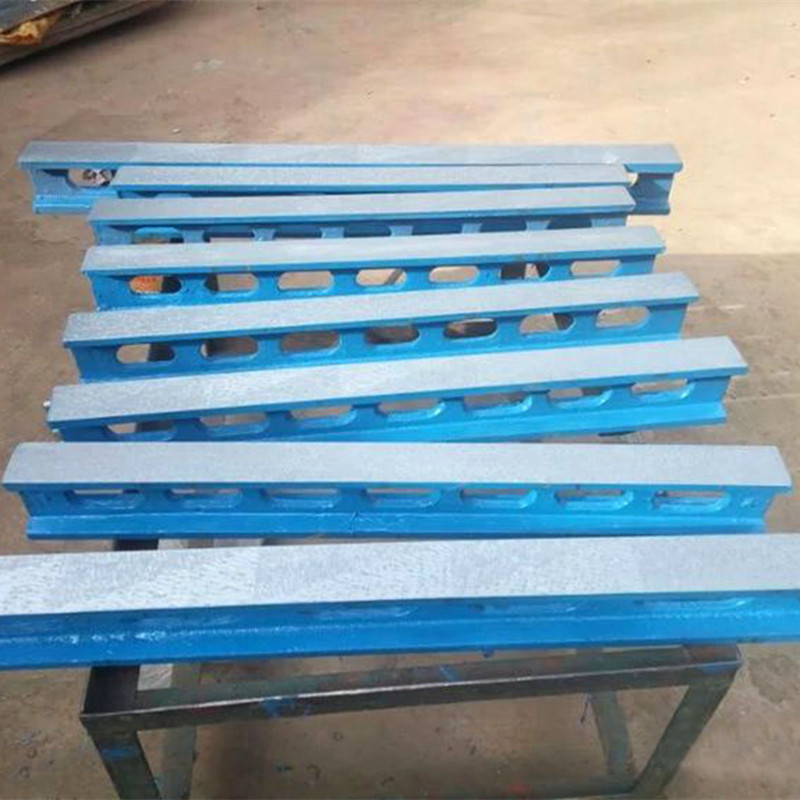
Využití paralelního pravítka v různých oborech a jeho výhody
Použití paralelních pravítek v praxi Paralelní pravítka jsou jedním z nejoblíbenějších nástrojů mezi
Valve Types
Valve types are the unsung heroes in the world of engineering and manufacturing, playing pivotal rol
Water Supply Control Mechanism for Efficient Valve Shutdown and Management
Understanding Water Valve Shut Off Systems In our daily lives, water is an essential resource, servi
 English